It is a common question, and the short answer is: it is not recommended, and if you do it, you have to do it carefully.
Why Manufacturers Say No
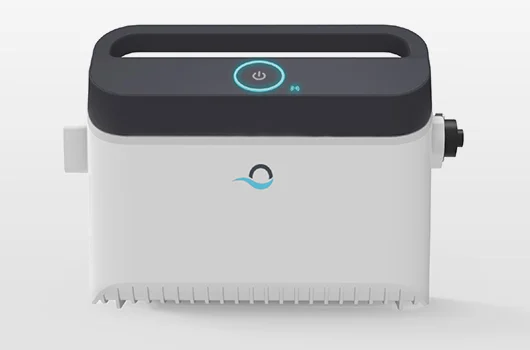
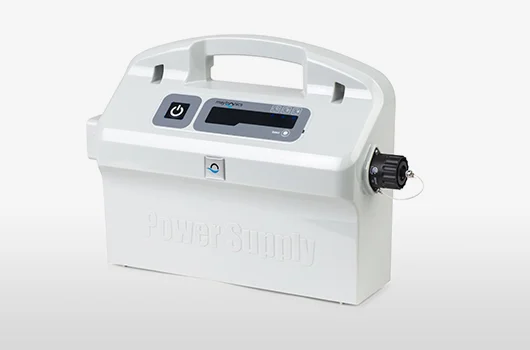
A robotic pool cleaner's power supply is designed to receive a specific voltage. A long or thin extension cord causes voltage drop, which can leave the robot weak and sluggish, make the power brick run hot, and trip the GFCI protection. Over time, undervolting also stresses the motor. Many warranties specifically exclude damage caused by extension cords.
If You Absolutely Must Use One
Where relocating the outlet is not possible, minimize the risk:
- Use the shortest cord possible and a heavy gauge (12- or 14-gauge outdoor-rated).
- Plug into a GFCI-protected outlet — this is non-negotiable around water.
- Keep every connection dry and off the ground, and keep the power supply shaded and ventilated.
If your robot keeps stopping after a few minutes, an underpowered extension cord is a prime suspect.
The Better Solution
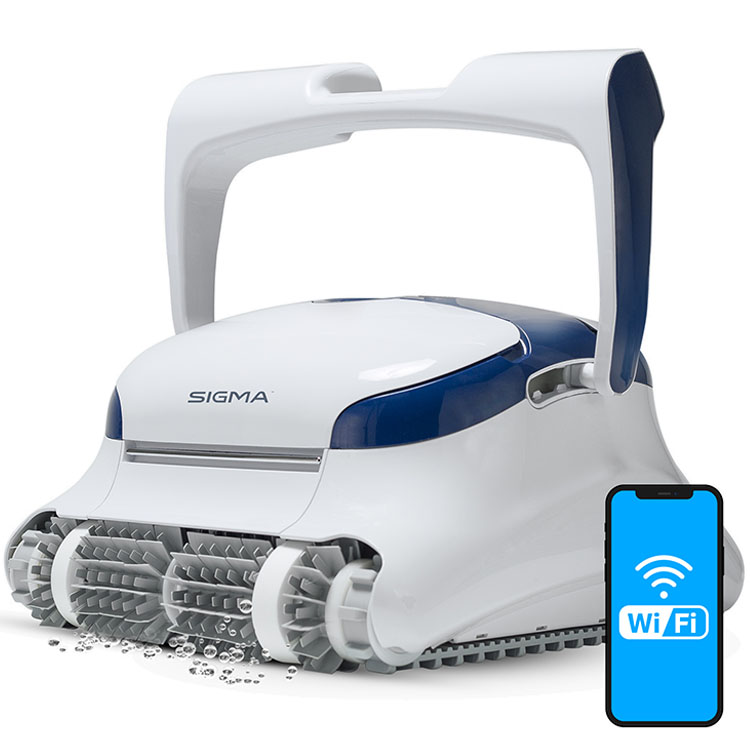
Rather than extending the electrical cord, position the power supply closer to the pool and rely on the robot's own long cable, which is engineered for the job. If reach is a recurring headache, a cordless option removes the wall outlet entirely — see our overview of the Dolphin Liberty cordless line and whether cordless pool robots are worth it. For most pools, though, a corded model like the Dolphin Sigma delivers the most consistent power.