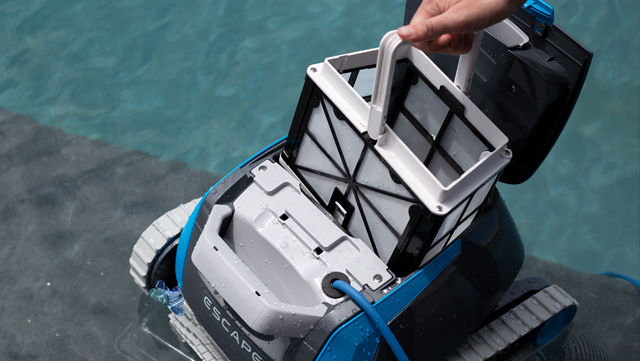
If your robot is crawling instead of cruising, it is almost always working against extra resistance somewhere in the system.
Clogged Filter and Blocked Impeller
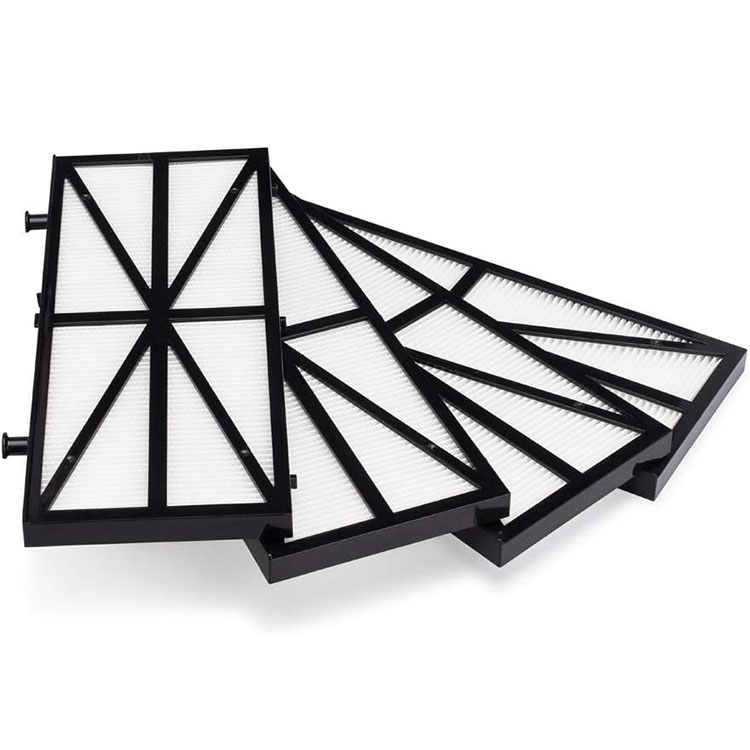
A packed filter and a debris-choked impeller force the motor to strain, which shows up as sluggish movement and weak cleaning. Rinse the filter every cycle and clear the impeller — the same fixes that solve a robot losing suction. High-flow NanoFilters help keep performance strong for longer between cleanings.
Debris in the Tracks and Drive
Hair, string, or grit wound around the axles and tracks creates drag on the drive system. Flip the robot over and clear the tracks and drive shafts so the wheels turn freely. If only one side is dragging, you may also notice it moving in circles.
Trapped Air and Weak Power
Air in the housing reduces both suction and momentum, so burp it out by submerging the robot on its side before each run. Finally, check your power source: running the supply on a long or thin extension cord causes voltage drop that leaves the robot underpowered and slow. Plug directly into a proper GFCI outlet. If a well-maintained robot is still slow, an aging motor may be to blame — see current models in our best robotic pool cleaners guide.